The New Information Battlefield
Nearly three-quarters of voters under 35 now get their primary political news from social media platforms. This is a massive shift in how democratic information flows through society. Traditional gatekeepers have lost their monopoly on political narrative, replaced by algorithmic feeds that prioritize engagement over accuracy.
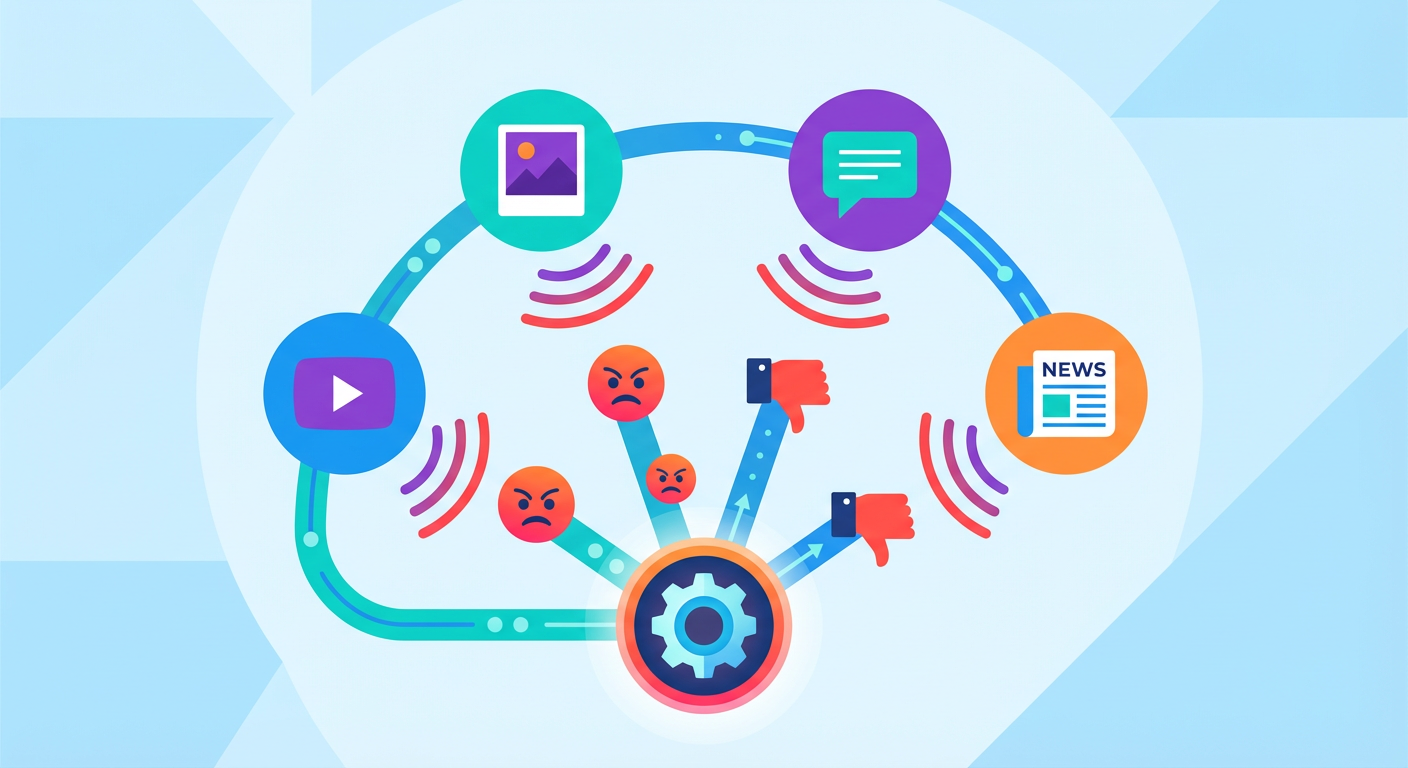
The numbers tell a stark story. Platforms systematically amplify content that generates strong emotional responses, particularly outrage. This isn’t conspiracy theory. It’s documented engineering. Anger drives clicks, clicks drive revenue, and revenue drives platform behavior. We end up with a political information ecosystem designed to inflame rather than inform.
Foreign interference operations have adapted to this reality with surgical precision. State actors now deploy sophisticated campaigns across X, Facebook, and TikTok during every major election cycle. These operations don’t just spread disinformation. They exploit existing social divisions, using authentic grievances as vectors for manipulation. It’s honestly scary how effective they’ve become.
Grassroots Organizing Goes Digital
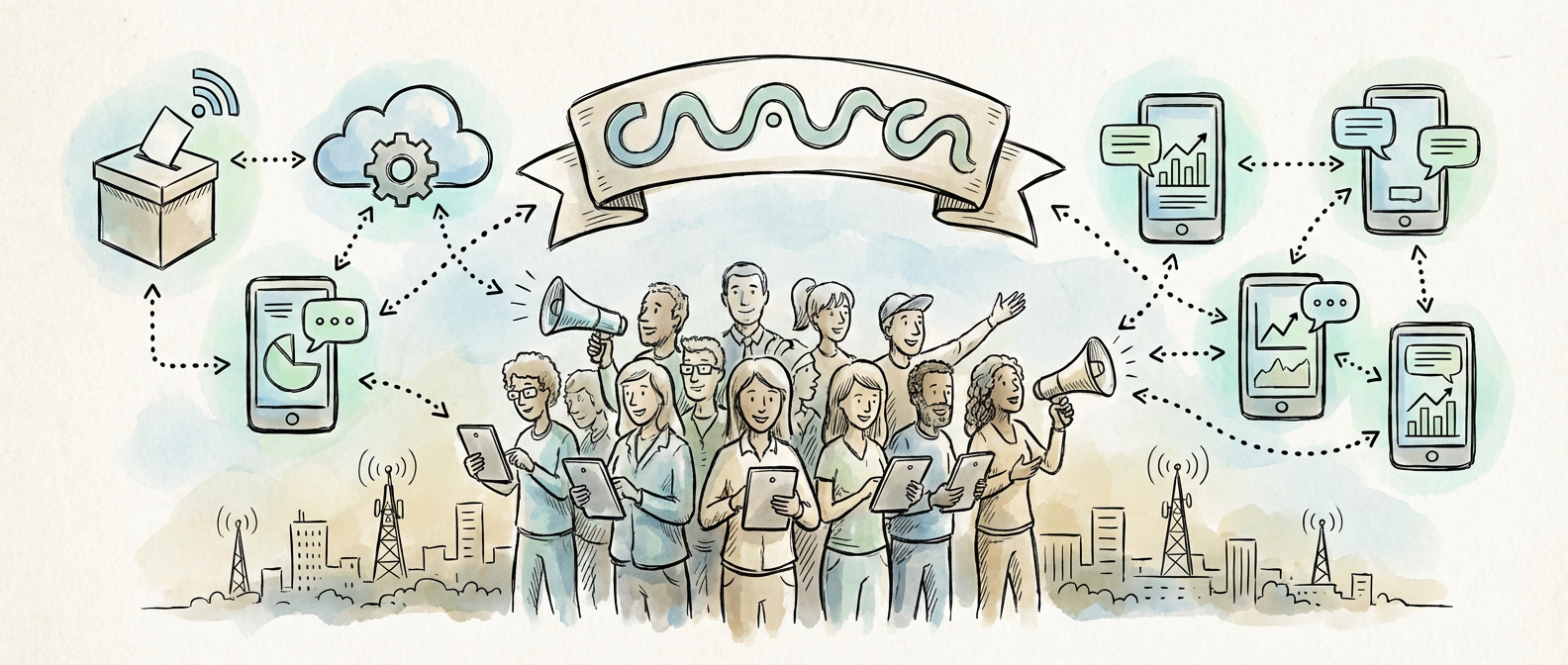
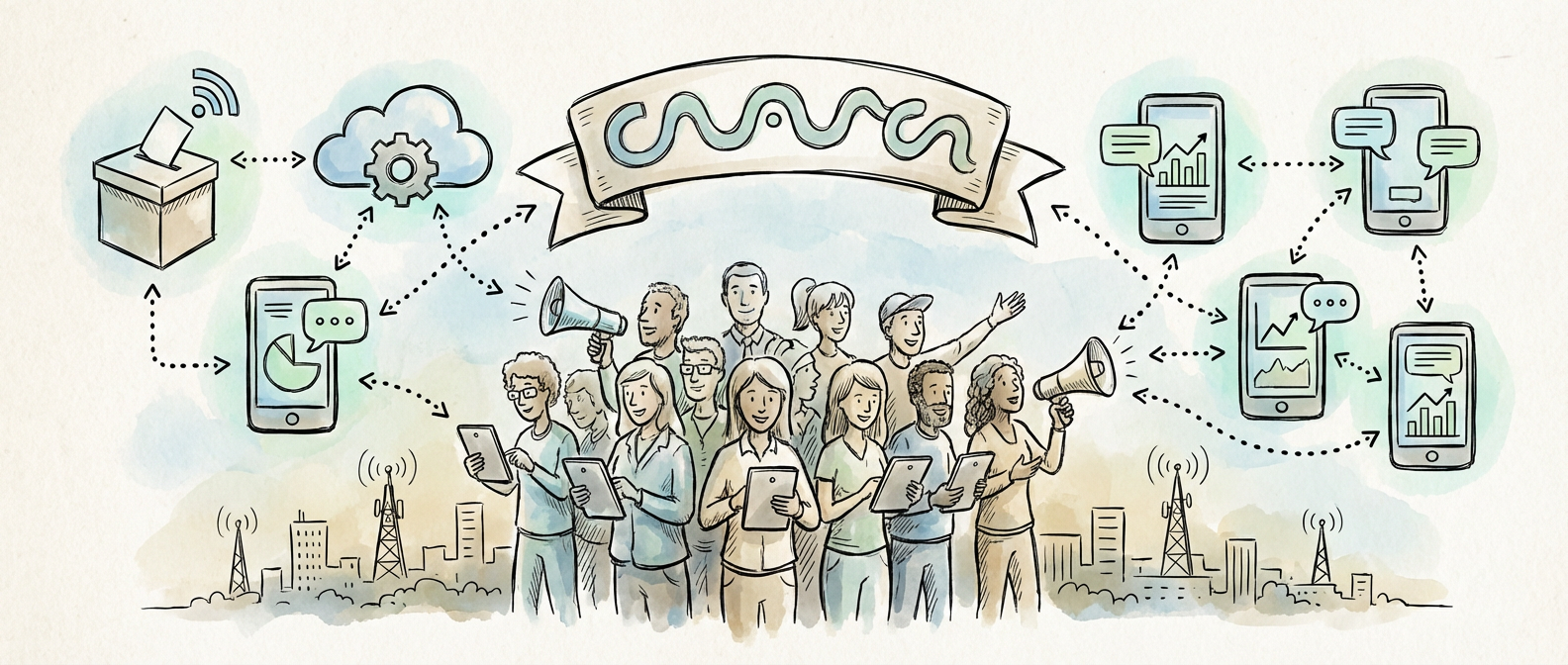
While platforms struggle with information quality, they’re actually great at mobilization. WhatsApp and Telegram groups have become the backbone of local political organizing worldwide. From neighborhood school board fights to national protest movements, encrypted messaging apps enable rapid coordination among activists.
This shift has democratized organizing in ways we’ve never seen before. Small groups can now coordinate complex political actions without traditional institutional support. The barrier to entry has dropped dramatically. A smartphone and internet connection can launch a political movement. That’s both exciting and terrifying.
Open-source tools for voter contact and canvassing have become standard campaign infrastructure. Software that once cost tens of thousands now runs on volunteer servers. This technological leveling means resource-poor campaigns can deploy sophisticated voter targeting previously reserved for well-funded operations. I’ve watched local candidates use these tools to punch way above their weight class.
The Economics of Digital Engagement
Digital fundraising has completely changed campaign finance dynamics. Online donation platforms have lowered transaction costs to near zero, making small-dollar contributions economically viable. Campaigns increasingly rely on micro-donors rather than traditional large contributors, creating new forms of financial dependency.
This shift carries hidden risks. Micro-donor fundraising often depends on maintaining constant crisis messaging. Campaigns must continuously stoke urgency to generate revenue streams. We end up with a political culture optimized for perpetual emergency rather than deliberative governance.
The Brennan Center democracy research documents how this funding model influences political behavior. Candidates spend increasing time on donor maintenance rather than policy development. The democratization of fundraising has paradoxically created new forms of elite capture. It’s a frustrating irony.
Platform Power and Democratic Accountability
Tech platforms now wield unprecedented influence over democratic processes. Their content moderation decisions shape political discourse. Their algorithmic choices determine which voices get heard. Their data collection practices influence voter targeting capabilities.
Yet these companies remain largely unaccountable to democratic oversight. Their terms of service carry more weight than electoral law in many contexts. Platform policy changes can alter election outcomes more effectively than campaign contributions or lobbying efforts. That should alarm everyone, regardless of political affiliation.
Independent media organizations like Democracy Now have struggled to maintain reach as platforms adjust their algorithms. Original journalism competes poorly with viral content in engagement-driven systems. We get an information environment that rewards speed over accuracy, emotion over analysis.
Navigating the Digital Democratic Future
Digital tools have expanded political participation while concentrating platform control. They’ve lowered organizing barriers while creating new vulnerabilities to manipulation. They’ve democratized fundraising while increasing dependency on emotional mobilization.
These contradictions define our current political moment. Technology amplifies both democratic potential and authoritarian risk. The same platforms that enable grassroots organizing also facilitate foreign interference. The same algorithms that help candidates find supporters also trap voters in echo chambers.
Moving forward means acknowledging these trade-offs rather than pretending they don’t exist. Digital democracy isn’t inherently good or bad. It’s a set of tools that reflect the values and incentives built into their design. Understanding those incentives is how we start building more accountable democratic technology.
What patterns have you observed in how digital platforms shape political engagement in your community? The evidence keeps evolving as rapidly as the technology itself.