The Strategic Vacuum Left by French Withdrawal
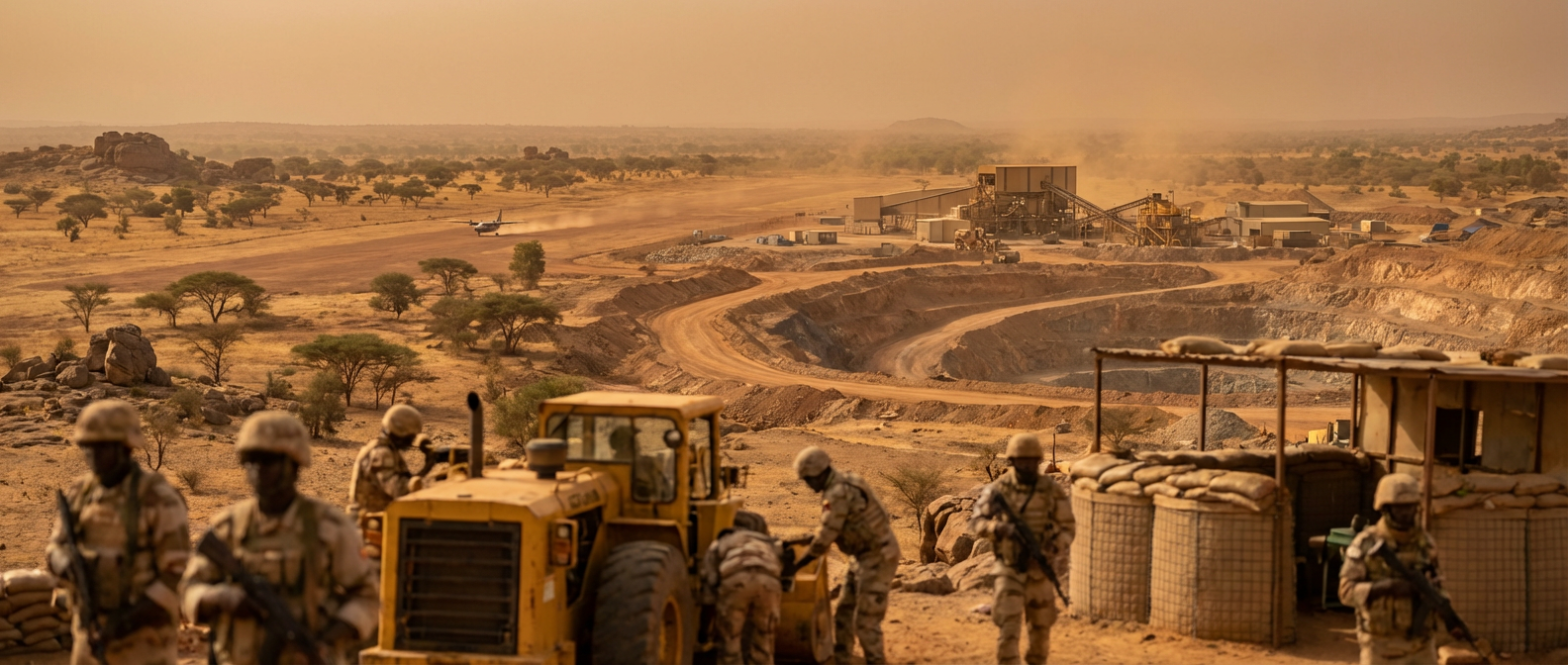
France’s Operation Barkhane ended in December 2025 after 13 years, and Moscow was ready. The French withdrawal left a gaping security hole in a region already drowning in jihadist violence, failing governments, and economic chaos.

Russian military contractors didn’t waste time filling that gap. Working through various Wagner Group successor outfits, they’re now operating across eight African countries as of March 2026. Mali has become their crown jewel—what intelligence analysts call their most sophisticated and well-funded African operation.
The timing wasn’t coincidence. As French forces started packing up, Russian contractors were already cozying up to Malian officials. This was pure calculated strategy, not opportunism. Russia saw a chance to lock down long-term influence in a resource-rich region that the West was walking away from.
Gold as Geopolitical Currency
Russia’s Mali play goes way beyond typical security contracts. The Malian government handed over exclusive mining rights to Russian-backed companies for three massive gold deposits worth about $2.4 billion, according to Africa Mining Intelligence Analysis. These aren’t just business deals—they’re a completely new way of buying geopolitical loyalty.
Gold mining gives Russia multiple advantages. It funds ongoing military operations without Moscow having to cut checks from the national budget. It creates economic dependencies that lock in political relationships with African partners. And gold is sanction-proof—easy to sell anywhere despite Western restrictions on Russian finances.
The mining deals themselves show serious long-term thinking. Instead of simple extraction contracts, Russian firms negotiated comprehensive partnerships covering infrastructure, security, and technical training. This creates multiple layers of dependency that make it nearly impossible for Mali to change course later.
Regional Security Implications and Humanitarian Costs
The switch from French to Russian security has produced some ugly results. UN peacekeeping forces reported a 45% spike in civilian casualties in northern Mali after Russian security arrangements kicked in, according to the UN Security Council Mali Report. That’s what happens when you swap Western rules of engagement for Russian ones.
Russian contractors operate with looser restrictions on force and care less about protecting civilians. Sure, this might produce quick tactical wins against insurgents, but it creates massive problems for long-term peace. Communities get squeezed between jihadist groups and brutal security operations, making humanitarian conditions worse.
The security model also lacks the development focus that French operations had, despite their ultimate failure. Russian engagement zeroes in on regime protection and resource extraction rather than actually building functioning states. This narrow focus might keep mining operations safe while destabilizing the broader region.
ECOWAS Response and Regional Fragmentation
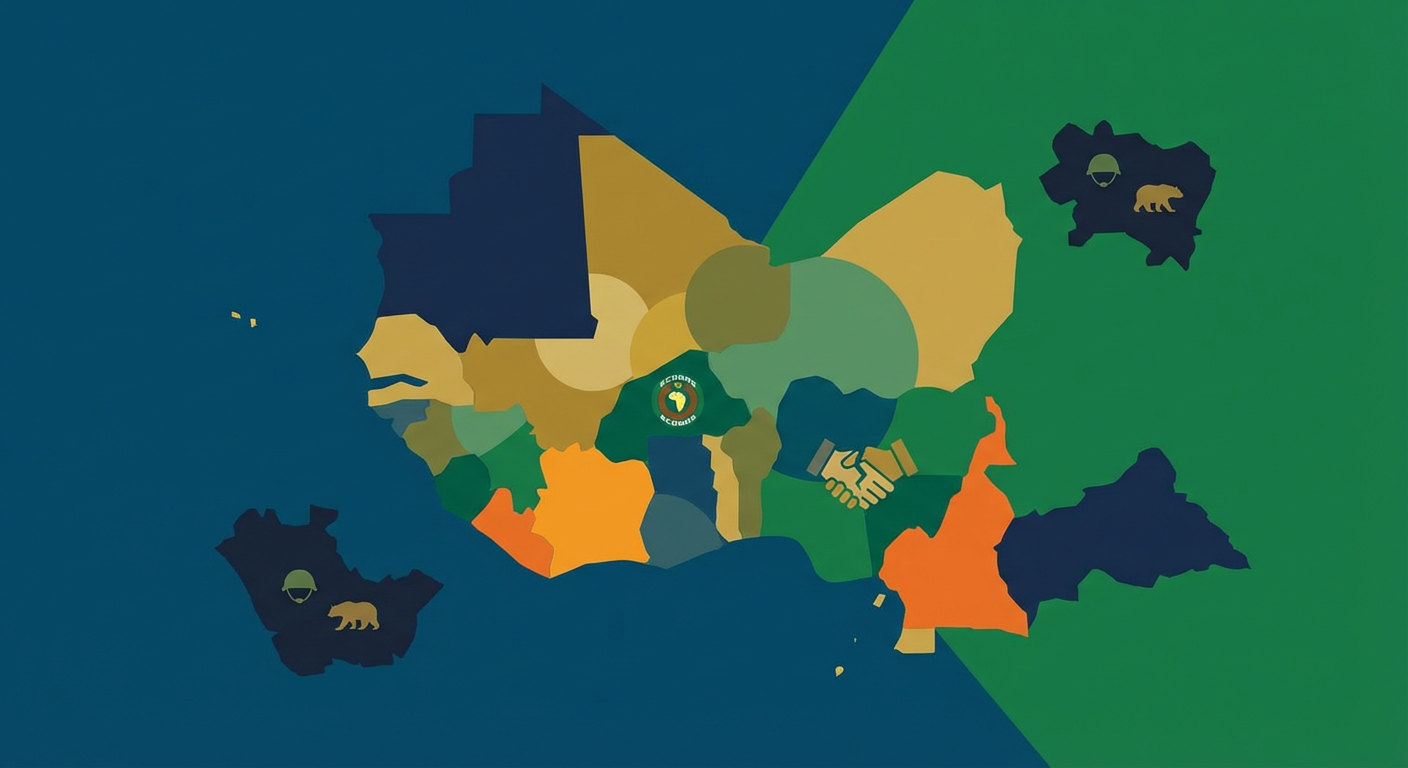
The Economic Community of West African States kicked out Mali, Burkina Faso, and Niger in January 2026 over governance concerns and Russian military cooperation. This unprecedented move shows how scared West African leaders are about Russian influence spreading and what it means for democracy in the region.
The ECOWAS response exposes a fundamental tension in regional politics. Member states feel pressure from Western partners to isolate governments that embrace Russian partnerships, while recognizing the real security problems that drive such partnerships. This has created new divisions in West African integration.
The suspension also shows the limits of economic pressure right now. Mali’s access to Russian mining money reduces the impact of ECOWAS sanctions. Russian security guarantees provide alternatives to regional collective security. Traditional tools of regional influence are losing their punch.
Broader Implications for Sahel Geopolitics
Mali’s Russian partnership isn’t just a bilateral relationship change. It signals a massive shift in Sahel geopolitics that challenges basic assumptions about Western influence in francophone Africa. The Mali model’s success gives other regional governments a template when they face similar security and economic crises.
Combining resource extraction with security provision creates a self-reinforcing cycle that makes Russian influence extremely hard to remove. Unlike traditional aid relationships requiring constant external funding, resource-backed partnerships pay for themselves while providing real security benefits to partner governments.
This model exploits major weaknesses in Western strategies that focused on governance reforms and development aid while offering limited security support. For governments facing immediate threats from insurgents, Russian offers of direct military help and resource financing address more pressing needs than long-term development programs.
The Mali case study offers crucial insights into how great power competition plays out in resource-rich developing regions. As similar dynamics emerge across the Sahel and broader sub-Saharan Africa, understanding the specific mechanisms of Russian engagement becomes essential for predicting future geopolitical shifts. What patterns do you observe in your region’s engagement with these shifting power dynamics?