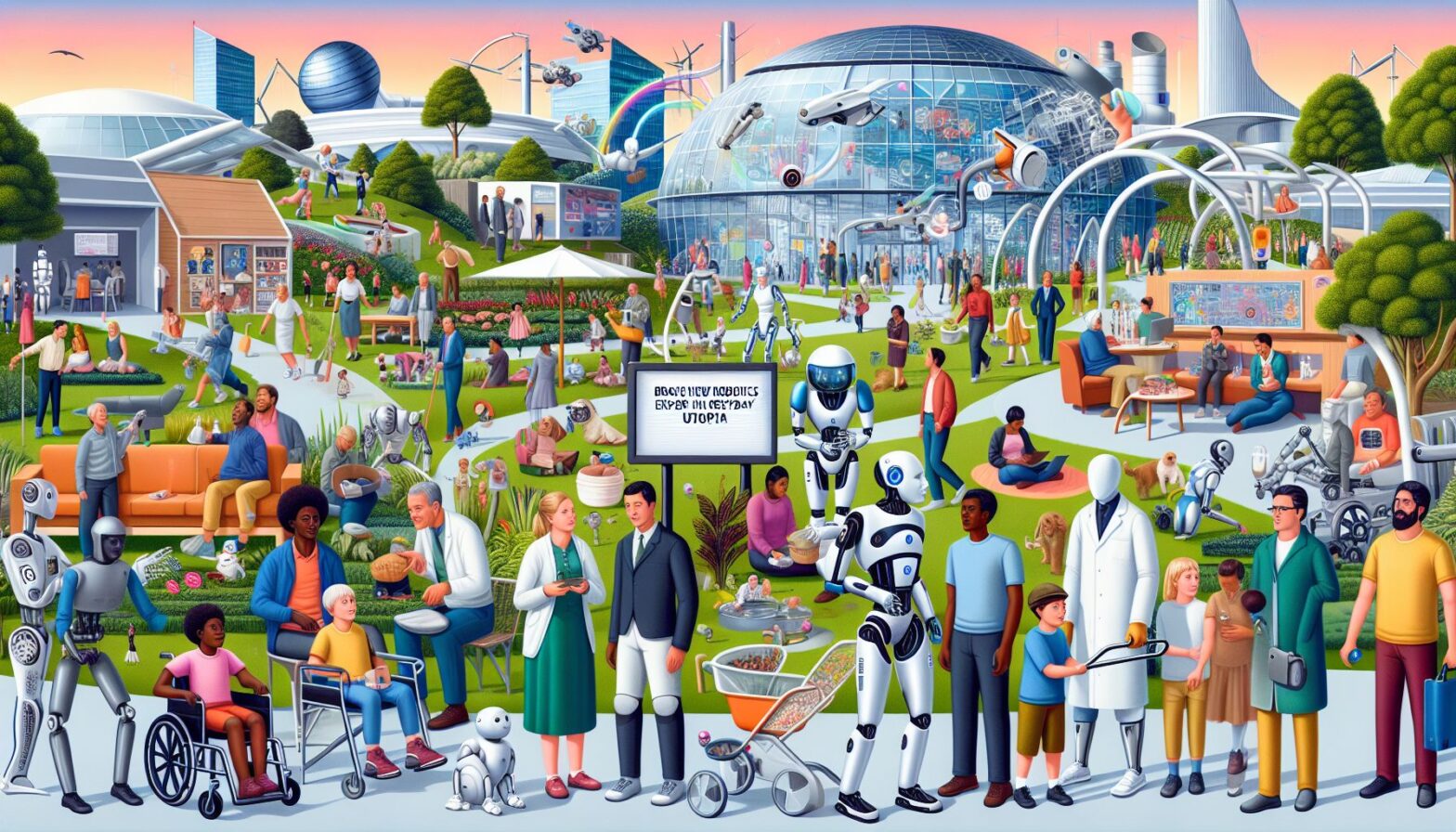
Hello digital travelers! Today I’m slipping into my well-worn technocrat hat to talk about something that’s got me genuinely excited—robotics and AI collaboration. We’ve all seen the headlines about artificial intelligence and robotics coming together, and honestly? It’s pretty wild how close we’re getting to those futures we used to only dream about.
Grab whatever seat you’ve got handy, and let’s dig into what’s actually happening in this space.
Robots Growing a Present from Sci-Fi’s Past
Just a few decades ago, our idea of robots came straight from movies like “Blade Runner” and “Terminator.” We pictured either dystopian nightmares or clunky metal helpers. But here’s the thing—reality took a different turn. Instead of Skynet taking over, we got something more interesting: robots that actually work alongside us.
Agile Machines, Agile Mindsets
Here’s where it gets cool. The same agile design principles we use for software development are now shaping how robots learn and adapt. It’s not just about programming a set of instructions anymore.
Take Baxter, the da Vinci Surgical System, or SoftBank’s Pepper robot. These aren’t the stiff, awkward machines from old sci-fi movies. Baxter can learn new tasks by watching humans demonstrate them. The da Vinci system gives surgeons superhuman precision. Pepper can read emotions and respond accordingly. They’re designed to collaborate, not replace.
What strikes me most is how these robots handle unpredictability. Traditional industrial robots needed everything programmed down to the millimeter. These new collaborative robots can adapt when something unexpected happens.
Current Developments You’d Love
Boston Dynamics keeps blowing my mind with their latest robots. Atlas can now do backflips—which sounds like showing off until you realize the computational complexity behind maintaining balance during a backflip. That same technology translates to robots that can navigate disaster zones or assist with search and rescue operations.
Then there’s the smaller stuff that’s equally impressive. Warehouse robots that coordinate like a swarm of bees. Service robots in hospitals that can navigate around unpredictable human traffic. Agricultural robots that can identify and pick individual fruits without damaging them.
What This Actually Means for Us
I think we’re at a turning point, but not the dramatic “robots take over” kind. It’s more subtle than that. These collaborative robots are changing how we think about work itself.
In manufacturing, robots handle the repetitive, dangerous tasks while humans focus on problem-solving and creativity. In healthcare, robotic assistance means surgeons can perform procedures that weren’t possible before. In our homes, robots are starting to handle mundane chores so we can focus on what matters to us.
The interesting part isn’t the robots themselves—it’s how human-robot teams perform better than either could alone.
Looking Forward
Where is all this heading? I think we’re moving toward a world where robots are more like very capable tools than independent entities. They’ll get better at understanding what we need and adapting to how we work.
The real breakthroughs are happening in the software—the AI that lets robots understand context, learn from experience, and work safely around humans. As this technology improves, we’ll see robots in more places, doing more things, but always as collaborators rather than competitors.
It’s not the flashy robot revolution we imagined, but it might be something better: technology that actually makes our lives easier without making us obsolete.