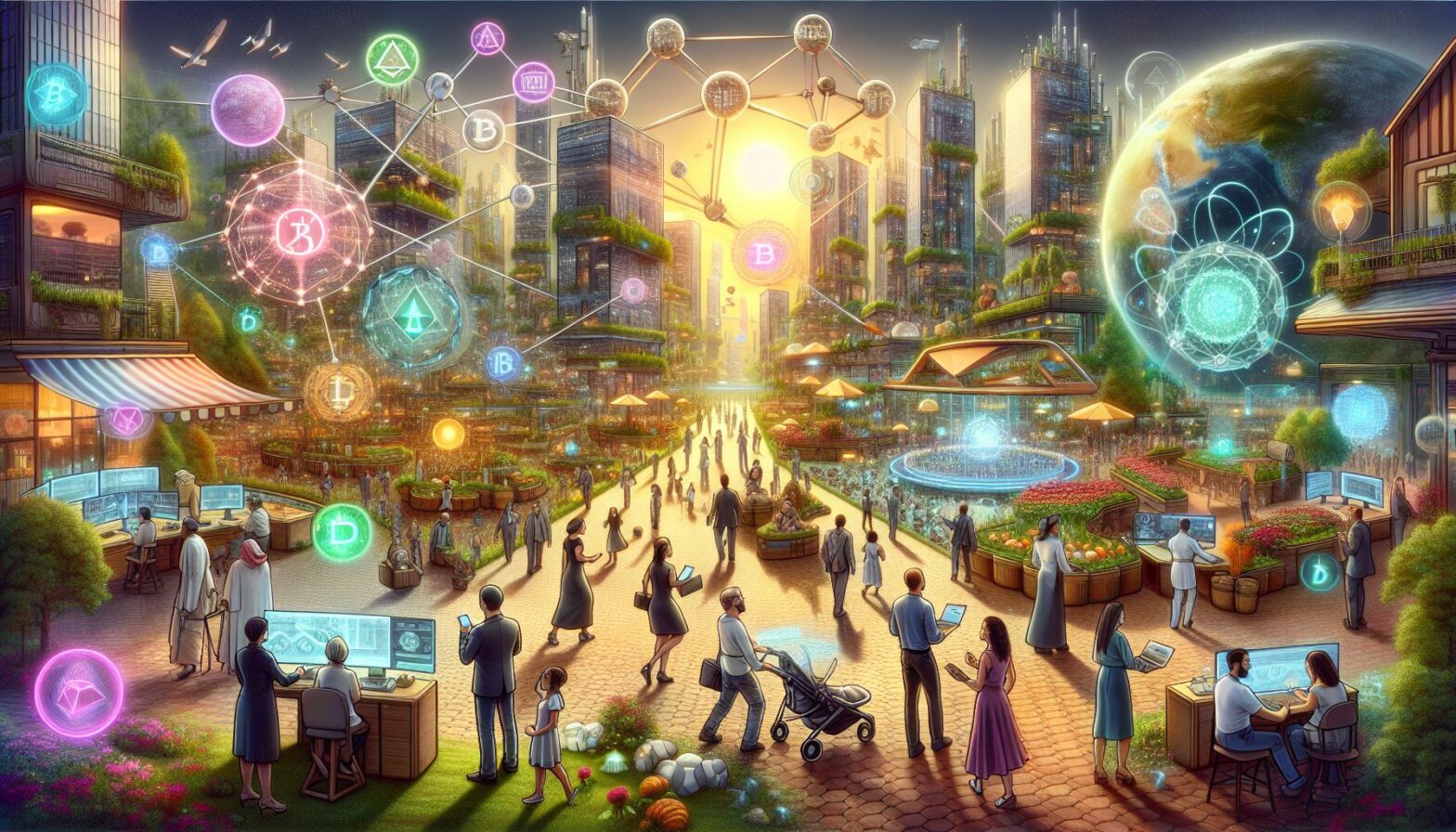
Welcome, dear readers, to today’s look at the complex world of technology with some genuine optimism for what’s coming. We’re going to examine a topic full of promise yet often dismissed by skeptics: blockchain. Forget the image of massive crypto farms burning through electricity; instead, let’s explore blockchain’s real potential to transform society in meaningful ways. Get comfortable and let me walk you through this as clearly and hopefully as I can.
Looking Beyond the Hype: What Makes Blockchain Actually Useful?
Blockchain got famous through cryptocurrencies when Bitcoin burst onto the scene in 2009. Fast forward to today, and blockchain applications have grown far beyond digital currency, offering real solutions for decentralized systems that could genuinely change how we organize society.
Here’s the thing: a decentralized network moves control away from traditional power centers toward something more inclusive and fair. Instead of a few big players calling the shots, you get distributed decision-making that’s harder to manipulate or corrupt.
I’ll admit, I used to be skeptical. But when you dig into the actual applications, there’s something compelling about systems that prioritize transparency and shared ownership. This isn’t just wishful thinking. We’re seeing real projects that tackle everything from supply chain transparency to democratic voting systems.
The technology creates an environment where trust doesn’t depend on institutions or intermediaries. You can verify transactions, trace products, or participate in governance without relying on a central authority. That’s not revolutionary rhetoric, it’s just how the system works.
Building Trust: How Blockchain Changes Public Systems
Think about voting. Right now, we trust election officials, voting machine companies, and complex chains of custody. With blockchain voting, every vote gets recorded on an immutable ledger that anyone can audit. No more wondering if the count was accurate.
Or consider supply chains. When you buy coffee labeled “fair trade,” you’re trusting multiple organizations and certifiers. Blockchain can trace that coffee from farm to cup, with each step verified and recorded. The farmer gets proper credit, you get real transparency.
Healthcare records could work the same way. Instead of your medical history being locked in proprietary systems, you’d control access to your own data while doctors anywhere could securely access what they need with your permission.
These aren’t pipe dreams. Pilot projects are running right now, though adoption is slow and there are plenty of technical hurdles. The potential is there, but so are the challenges of scaling, energy use, and getting people to actually use these systems.