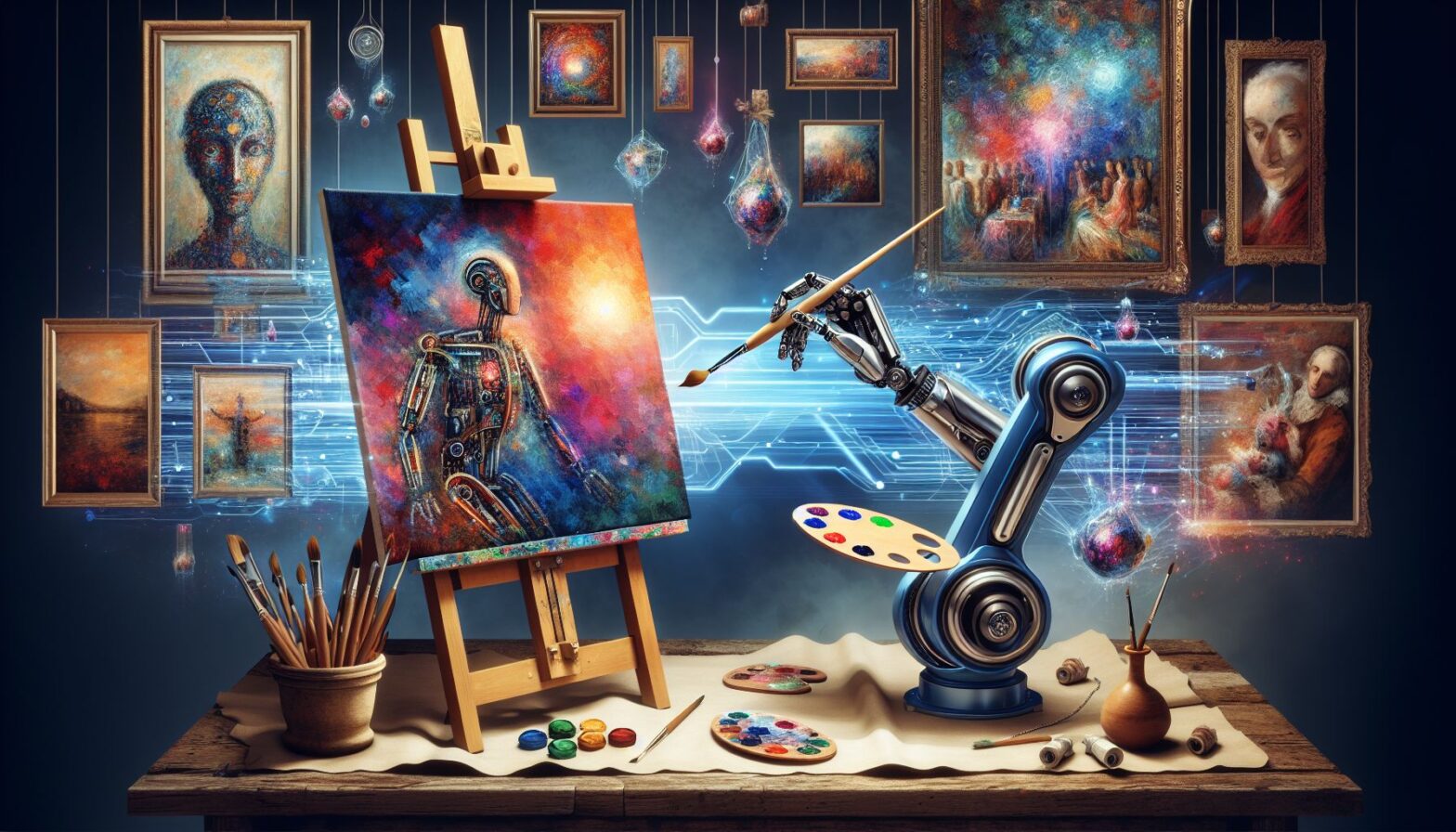
Hey there fellow tech enthusiasts! Today I want to talk about one of the most fascinating intersections of human creativity and technology: Artificial Intelligence in the creative arts. Before you fire up your favorite painting app or start composing with code, let’s explore how AI isn’t just helping the creative process but actually changing how we think about art itself.
Sure, AI has been busy predicting our next text, organizing our social feeds, and occasionally beating us at chess. But AI’s move into art feels different. It feels big. Imagine telling Van Gogh or Mozart that a machine could work alongside their creative genius, maybe even push it further. Would they laugh or lean in with curiosity?
Let me break this down for you.
A Splash of Algorithms on Canvas
AI as an artist? Sounds weird, right? But with systems like DeepArt and ThoughtArt, we’re literally mixing code with color. These AI models study massive databases of images, then create new works that echo the great masters’ styles. Think painting with a touch of Monet’s dreaminess or wrestling with Picasso’s angles, all at once.
In some tech-art circles, machine learning models have become standard tools, like an apprentice learning to work with oils. AI-generated canvases are packed with complex interpretations, adding new energy to the sometimes mysterious world of fine art.
I’ve played around with one popular AI tool that mimics different styles to create stunning pieces. It’s amazing and slightly unsettling that it can replicate that famous starry sky in minutes, no tortured genius required. (Don’t worry, it saves time but keeps the drama. No severed ears needed.)
Music Derivatives: AI Meets Symphony
Now let’s talk sound. AI programs are flexing their muscles in music creation, maybe channeling their inner Beethoven. Tools like Amper Music make producing music almost effortless.
These programs really shine when helping budding musicians. It’s like having an AI collaborator transform your musical ideas. You hum a melody, the AI polishes it with precision, adds harmonies, thumping bass lines… and boom! That’s how hits get made now, with futuristic co-creators writing the beats.
But here’s where it gets messy. These AI algorithms can improvise with emotional depth, which has plenty of skeptics scratching their heads worldwide. We’re seeing a subculture emerge where neural networks meet freestyle melodies, bringing together both AI-native DJs and aspiring lyricists riding digital waves into this strange new world.
AI in Literature: The Digital Wordsmith
For literary purists thinking “keep your tech away from my books!”, hold on a second. AI analyzes the structures and themes in our favorite novels, understanding how layered contexts create mood and let fictional worlds unfold in unpredictable ways.
GPT-3 won’t replace Hemingway anytime soon, but consider how AI supports basic writing, embellishing stories and broadening character development. It’s making storytelling more complete, breathing simulated life into complex narratives.
Where Brushes Meet Bytes
The big question is whether machines are just sophisticated marketing tools or something more meaningful. Sometimes it’s hard to tell where human creativity ends and algorithmic assistance begins. We’re seeing new design realities that challenge how we understand artistic expression.
What’s emerging feels like those early aviation pioneers, uncertain about where this technology will take us. Artists and tech geeks alike are trying to figure out what this means for human creativity and artistic authenticity.
The Creative AI Revolution
Look, this isn’t just about viral dance videos or trendy digital art. Creative AI is evolving into something that demands serious attention from multiple disciplines. We’re dealing with new questions about inspiration, authorship, and what it means to create.
These technological facilitators are tipping the balance of how we think about art-making. They’re creating parallel worlds where psychological insights meet algorithmic precision, where traditional artistic methods encounter radical new possibilities.
What’s Next for Digital Creativity
Honestly, we’re standing at a crossroads. The intersection of human creativity and artificial intelligence is opening doors we didn’t even know existed. It’s exciting and terrifying at the same time.
We’re seeing specialized tools emerge globally, changing how artists approach their work. The technology is becoming more sophisticated, more integrated into creative workflows.
So where do we go from here? That’s the million-dollar question. We’re welcoming ourselves into a new era where human dignity meets digital construction, where traditional artistry encounters algorithmic possibility.
The future of creative AI isn’t just about better tools or faster processes. It’s about fundamentally rethinking what artistic collaboration means when one collaborator happens to be a machine. And honestly? I’m curious to see where this goes.